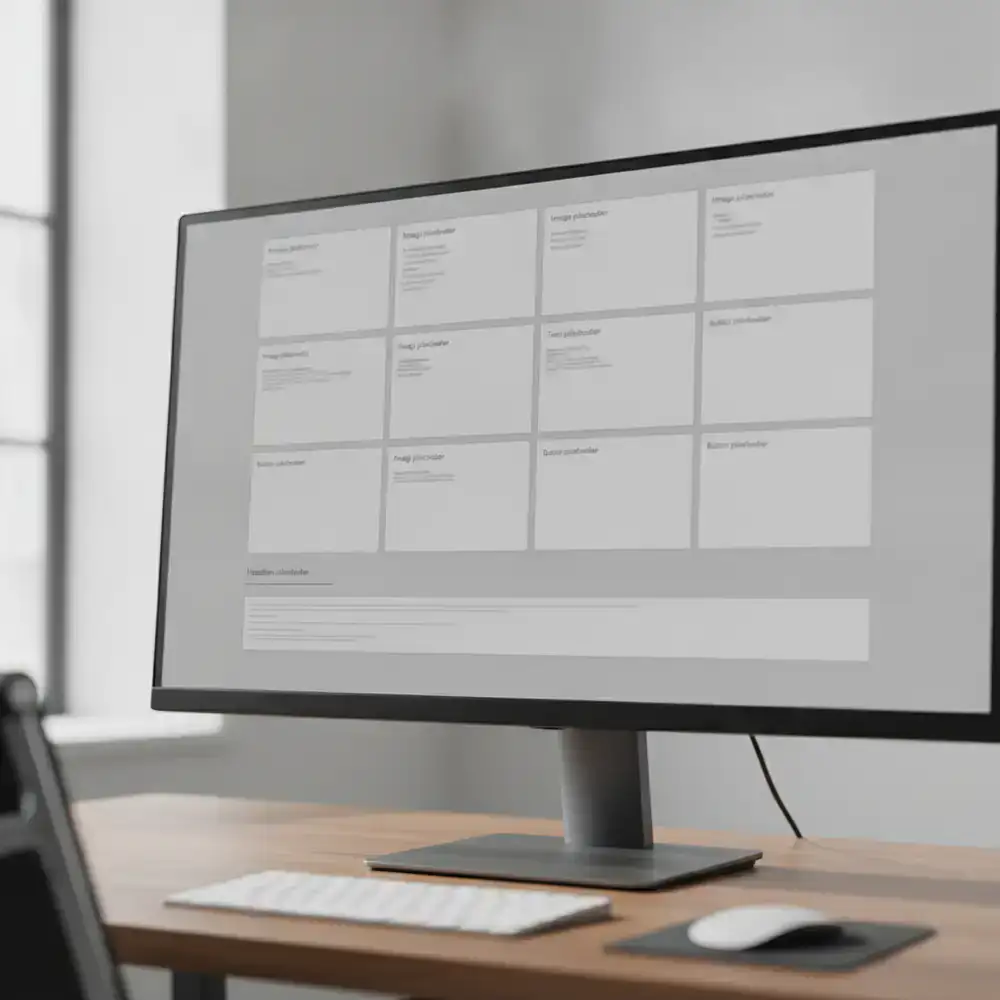
State 01: The Wireframe
Initial testing focused purely on mechanics. Flat squares, unstyled system fonts, and zero visual feedback aside from basic state changes.
Creating a flawless logic puzzle requires more than placing numbers on a board. Dive into the engine powering MineGrid Studio, where algorithmic precision meets classic puzzle strategy.
A frustrating puzzle relies on guesswork. A brilliant puzzle demands pure deduction. Our core development focus over the last eight months has been refining the grid generation algorithm to eliminate "50/50" blind guesses.
From raw unstyled wireframes to the final structured aesthetic. We prioritized readability, opting for classic puzzle colors, gray grid visuals, and distinct number tiles that reduce eye strain during extended strategy sessions.
Initial testing focused purely on mechanics. Flat squares, unstyled system fonts, and zero visual feedback aside from basic state changes.
Introduction of the classic puzzle palette. Distinct colors for numbers (blue for 1, green for 2, red for 3) applied to subtly beveled gray grids.
Finalizing the structured puzzle cards. Incorporating sharp, recognizable red flag icons to mark suspected danger zones without cluttering the visual field.
Balancing a logic puzzle requires fine-tuning the density of danger zones. Our engine dynamically adjusts the probability matrix to ensure that novice grids are forgiving, while expert grids demand advanced pattern recognition and multi-step deduction.
Every interaction must provide immediate, clear feedback. We have meticulously designed the UI states for hovering, revealing safe tiles, and planting flags. The gray grid visuals and clean number tiles ensure that the player's focus remains entirely on the logic.
We are actively looking for puzzle enthusiasts to test our grid logic algorithms before the official release. If you find edge cases where the logic breaks, we want to hear from you.
Direct Contact
support@minegridstudio.com